How to Choose a Payment Platform in the Nordics for 2026
Nordic software providers and SaaS businesses face a critical decision when selecting a payment platform. This guide walks through the evaluation criteria, technical considerations, and market-specific factors that matter most across Sweden, Norway, Denmark and Finland.
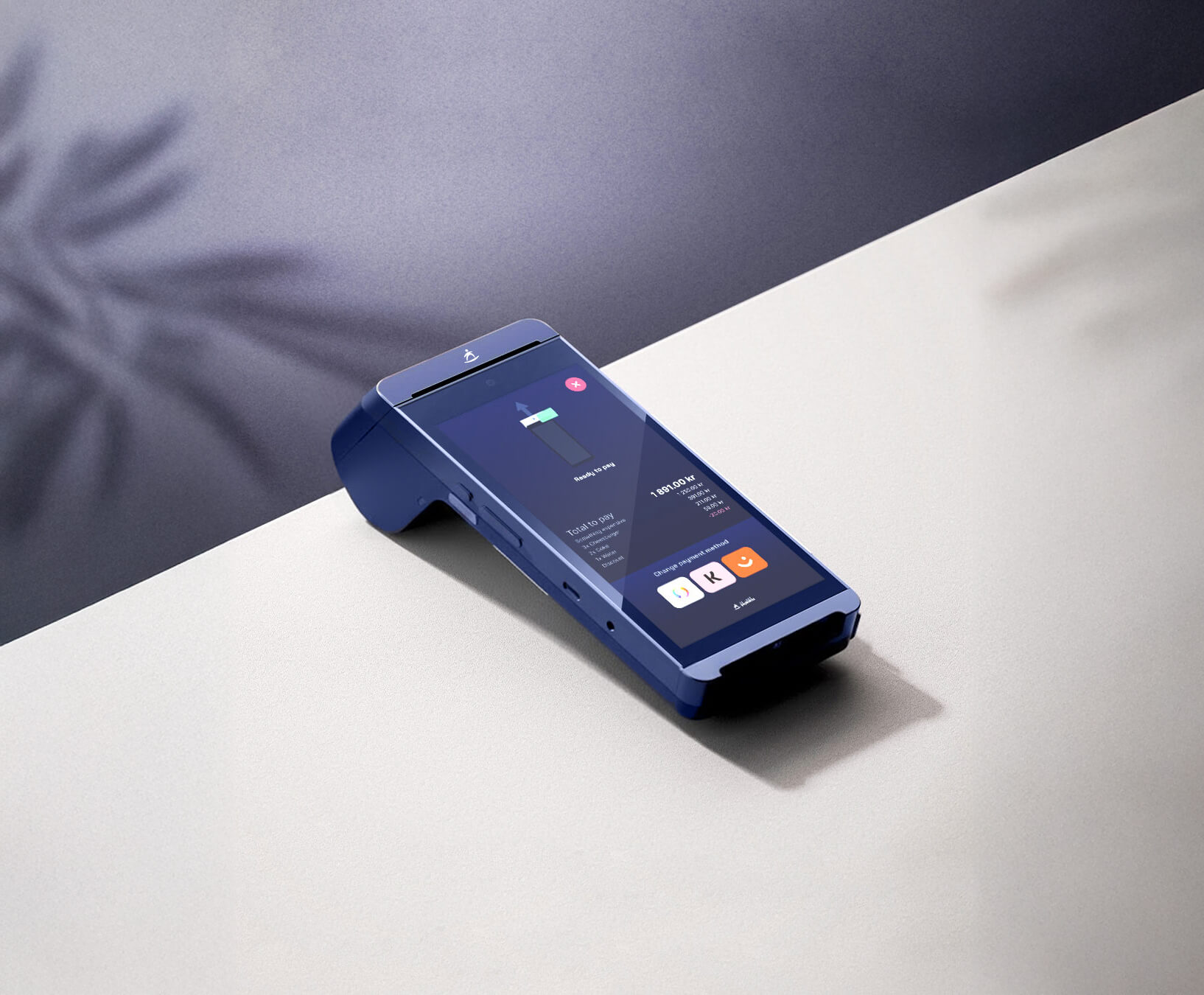
Nordic software providers and SaaS businesses face a critical decision when selecting a payment platform. With the Swedish market alone expected to process over SEK 150 billion in e-commerce transactions annually, and Norway, Denmark and Finland adding comparable volume per capita, choosing the right infrastructure affects everything from developer velocity to merchant experience.
This guide walks you through the evaluation criteria, technical considerations, and market-specific factors that matter most when selecting a cloud-based payment platform for a Nordic software business.
Key Takeaways: How to Choose a Payment Platform in the Nordics for 2026
- API-first architecture determines integration speed and long-term flexibility for software providers building payment features into their products.
- Nordic payment platforms must support local methods like Swish, Vipps, MobilePay, Dankort, BankAxept, Klarna and Pay by Bank alongside global card schemes.
- Surfboard Payments offers acquirer-agnostic infrastructure with 99.99% uptime and fast merchant onboarding for ISVs.
- PCI DSS 4.0 compliance and PSD2 readiness are non-negotiable requirements for platforms operating in the Nordics.
- Evaluate settlement speeds, pricing transparency, and white-label capabilities before committing to a payment partner.
What Makes a Payment Platform Cloud-Based?
Cloud-based payment processing stores transaction data and runs authorization logic on remote servers rather than on-premise hardware. This approach frees your development team from managing physical infrastructure and security certifications.
For Nordic software providers, cloud architecture enables rapid deployment across four countries at once. Your merchants can accept payments from day one without waiting for hardware installations or lengthy certification processes in each market.
The distinction matters because traditional payment setups require significant capital investment and maintenance overhead. Cloud platforms shift that burden to specialized providers who maintain multi-cloud redundancy and handle regulatory compliance.
Why Nordic Software Providers Need Specialized Payment Infrastructure
The Nordic payment landscape differs from other European markets in several important ways, and it differs country by country. Swish handles over 8 million active users making real-time mobile payments in Sweden. Vipps performs the same role in Norway with comparable penetration. MobilePay dominates Denmark and Finland. Klarna leads the buy-now-pay-later segment across the region. BankID in Sweden and Norway, MitID in Denmark, and Finnish bank credentials serve as the primary authentication methods for financial transactions.
Generic international platforms often treat these methods as afterthoughts, or support one of them and call the region covered. Nordic ISVs need partners who understand local consumer expectations and regulatory requirements in each market from the start.
The Surfboard Payments platform was built in Stockholm specifically for this region. Local expertise translates to faster integration timelines and better support when questions arise about Nordic payment regulations.
How to Evaluate API Architecture and Integration Requirements
Your payment platform's API design determines how quickly you can build features and how easily you can maintain them. Look for REST-based APIs with clear documentation, sandbox environments, and responsive developer support.
What Technical Documentation Should Include
Request sample code in the languages your team uses. Verify that webhook implementations match your event-driven architecture needs. Test the sandbox thoroughly before signing any contracts.
The best platforms publish their API reference publicly, allowing your developers to evaluate integration complexity before sales conversations begin.
How SDK Quality Affects Development Speed
Native SDKs for iOS, Android, and web applications reduce integration time from weeks to days. Check whether the platform maintains its SDKs actively or relies on community contributions.
Surfboard Payments publishes SDKs for Tap to Pay on iPhone and Android SoftPOS that handle PCI compliance complexities automatically. This approach lets your developers focus on user experience rather than security certification details.
What Local Payment Methods Must Your Platform Support?
Nordic consumers expect specific payment options at checkout, and the expected set changes when you cross a border. Missing a preferred method costs you conversions and merchant trust.
Why Swish, Vipps and MobilePay Are All Essential
These three account-to-account wallets cover the region between them, and none of them substitutes for the others.
- Swish processes instant mobile payments through direct bank connections in Sweden. Over half the population uses it regularly for both online and in-person purchases.
- Vipps holds the equivalent position in Norway, with the majority of the adult population enrolled and heavy use in both e-commerce and person-to-business payments.
- MobilePay is the default in Denmark and has become the leading wallet in Finland. Vipps and MobilePay now operate under common ownership, but they remain distinct consumer products with distinct integrations.
Verify that your platform offers native Swish, Vipps and MobilePay integration rather than third-party redirects. Native support means faster transaction times and lower failure rates.
How Card Scheme Coverage Affects Your Merchants
Visa and Mastercard remain dominant for higher-value transactions. American Express appeals to corporate buyers and affluent consumers. Ensure your platform processes all major schemes without requiring separate integrations.
Domestic debit schemes matter just as much once you operate across borders. Dankort remains widely issued in Denmark and frequently co-badged on Danish cards. BankAxept carries a large share of Norwegian in-store debit volume, often at lower cost than the international schemes. A platform that quietly routes these through a scheme rail instead of the domestic one hands your merchants a higher bill.
What BNPL and Invoice Options Nordic Consumers Prefer
Klarna originated in Sweden and maintains strong consumer adoption for installment payments across all four markets. Supporting Klarna alongside traditional card payments increases average order values and conversion rates.
Invoice payment remains unusually normal in the Nordics compared with most of Europe, both B2C and B2B. If your merchants sell to businesses, check that invoicing is a first-class payment method on the platform rather than something bolted on afterwards.
Why Pay by Bank Is Worth Evaluating Now
Open banking payments initiate a transfer directly from the customer's bank account, avoiding scheme fees entirely. Adoption in the Nordics is helped considerably by the fact that Nordic consumers already trust bank-credential authentication. Treat it as a cost-reduction lever for high-value baskets rather than a replacement for cards.
How to Assess Compliance and Regulatory Readiness
Payment platforms operating in the Nordics must meet strict regulatory standards. Non-compliance risks fines, merchant account closures, and reputational damage.
What PCI DSS 4.0 Means for Platform Selection
The latest PCI Data Security Standard raises requirements for storing and transmitting cardholder data. Your platform should handle PCI scope reduction automatically through tokenization and hosted payment fields.
Ask potential partners about their certification status and audit frequency. Platforms with multi-cloud architecture typically demonstrate stronger security postures than single-vendor deployments.
How PSD2 and SCA Requirements Affect Transactions
Strong Customer Authentication mandates two-factor verification for most electronic payments in the European Economic Area, which covers Norway as well as the EU members. Platforms must implement 3DS2 flows that balance security with user experience.
Poor SCA implementation causes transaction failures and abandoned carts. Evaluate how each platform handles authentication exemptions for recurring payments and low-risk transactions.
Why Local Licensing Matters
Each Nordic market has its own financial supervisory authority: Finansinspektionen in Sweden, Finanstilsynet in Norway and Denmark, and Finanssivalvonta in Finland. A payment institution licensed in one EEA country can passport into the others, but working with a locally licensed and locally present platform simplifies compliance discussions and ensures regulatory alignment.
Surfboard Payments AB is licensed as a payment institution by Finansinspektionen and operates across the Nordic region.
How to Compare Settlement Terms and Pricing Models
Payment processing costs directly impact your margins and your merchants' profitability. Transparent pricing helps you model unit economics accurately.
What Settlement Speed Options Should You Expect?
Nordic platforms typically offer T+1 to T+3 settlement cycles. Faster settlement improves merchant cash flow but may come with higher fees. Evaluate whether your merchants value speed over cost savings.
Some platforms offer same-day or instant settlement for premium pricing. These options suit businesses with tight cash flow requirements or high-volume seasonal operations.
How Interchange-Plus Pricing Compares to Blended Rates
Interchange-plus (IC++) pricing passes through card scheme costs with a fixed markup. This model benefits high-volume merchants who can negotiate favorable terms. Blended rates simplify accounting but often cost more over time.
Ask each platform about their pricing structure and whether they offer flexible billing options for different merchant segments.
What Hidden Fees to Watch For
Currency conversion markups, chargeback fees, PCI non-compliance penalties, and minimum monthly charges add up quickly. Multi-country operation adds another line to watch: cross-border scheme fees when a Danish card is presented to a Swedish merchant. Request a complete fee schedule before comparing total cost of ownership.
How to Evaluate White-Label and Branding Capabilities
Software providers typically want payment features to feel native to their products. White-label capabilities determine how much control you retain over user experience.
What Terminal Customization Options Matter
If your merchants use physical terminals, verify that your platform supports custom branding on device screens, receipts, and customer-facing interfaces. Generic payment terminal experiences weaken your brand positioning.
The Surfboard Payments white-label platform applies partner branding across terminals, checkout pages, merchant portals, and even receipts. This consistency reinforces your brand at every touchpoint.
How Merchant Portal Access Affects Partner Operations
Your merchants need self-service tools for transaction reporting, dispute management, and settlement reconciliation. Evaluate whether the platform's merchant portal can be branded as your own.
Consider whether you need different access levels for merchant admins versus front-line staff. Role-based permissions prevent unauthorized changes while enabling day-to-day operations.
How to Measure Reliability and Uptime Performance
Payment downtime costs revenue and merchant trust. Platforms should publish uptime statistics and offer service level agreements with financial penalties for outages.
What Uptime Guarantees Should You Require?
Enterprise-grade platforms target 99.99% availability, translating to less than one hour of downtime annually. Multi-cloud architecture distributes infrastructure across multiple providers for redundancy.
Surfboard Payments maintains 99.99% uptime through infrastructure distributed across Google Cloud, AWS, and Azure. This approach ensures transaction processing continues even during regional cloud provider outages.
How Offline Payment Handling Protects Your Merchants
Network failures happen regardless of platform reliability. Ask how each provider handles offline payment scenarios and what risk controls protect merchants during connectivity gaps.
Intelligent offline modes store transactions locally and sync automatically when connectivity returns. This capability matters especially for merchants in rural Norway and Finland, in mountain and archipelago locations, and during high-traffic outdoor events.
How to Assess Merchant Onboarding Speed and Complexity
Slow onboarding creates friction for your sales process and delays revenue recognition. Evaluate the typical timeline from merchant signup to first live transaction.
What KYC and KYB Requirements Affect Activation Time?
Know Your Customer and Know Your Business verification takes time regardless of platform choice. However, platforms with automated verification workflows and clear documentation requirements accelerate the process.
Nordic regulations require thorough identity verification, and each country has its own company registry to check against. The best platforms complete this process in days rather than weeks. Ask about average onboarding times for merchants similar to yours, in each country you plan to operate in.
How Self-Service Onboarding Scales Your Operations
Manual onboarding processes create bottlenecks as your merchant base grows. Look for platforms that offer API-driven merchant onboarding you can embed directly in your product.
Self-service flows reduce support overhead and let merchants start accepting payments faster. The Surfboard Payments platform records merchant activation in as little as five hours from signup to first live transaction.
How to Evaluate Hardware Terminal Options for In-Store Payments
Many Nordic ISVs serve merchants who need physical payment terminals alongside online acceptance. Evaluate hardware availability, costs, and management capabilities.
What Terminal Form Factors Suit Different Business Types?
Countertop terminals work for fixed retail locations. Handheld devices suit restaurants and service businesses. Self-service kiosks serve unattended environments like parking, EV charging and vending.
Surfboard Payments offers an extensive hardware portfolio including SurfPrint Pro, SurfTouch Pro, and SurfAlone for unattended scenarios. Having multiple options lets you match hardware to specific merchant use cases, and every device runs the same payment application against the same API.
How SoftPOS Changes Terminal Economics
Software-based point of sale turns smartphones into payment terminals without additional hardware costs. This approach suits merchants who want flexibility without capital investment.
Tap to Pay on iPhone and Android SoftPOS enable contactless acceptance on devices your merchants already own. Availability differs by country, so confirm which Nordic markets a provider has live rather than announced. For businesses with mobile workforces or pop-up locations, SoftPOS eliminates hardware logistics entirely.
How to Assess Cross-Border and Multi-Currency Capabilities
Nordic ISVs rarely stay in one country for long. Four markets, four currencies, one customer base that crosses between them constantly. Evaluate how each platform handles cross-border transactions and currency management.
What Markets Should Your Platform Cover?
If your roadmap includes expansion beyond your home market, verify that your payment partner already operates in the target countries. Adding new countries mid-project creates integration complexity and delays.
Consider platforms active across Sweden, Denmark, Finland, Norway, and the UK at minimum. Broader European coverage gives you flexibility for future growth.
How Currency Settlement Affects Merchant Cash Flow
The Nordics are not a single-currency region. SEK, NOK and DKK float independently while Finland uses EUR, so a merchant selling across all four markets is managing four currencies whether they intended to or not.
Merchants receiving payments in multiple currencies need clear settlement options. Some prefer settlement in transaction currency to avoid FX risk. Others want consolidation in their home currency for simpler accounting. Evaluate currency conversion fees and whether the platform offers multi-currency settlement accounts. Transparent FX pricing helps merchants predict costs accurately.
How to Evaluate Support and Partnership Quality
Technical documentation only goes so far. Your development team will have questions, and your merchants will need help with operational issues. Assess support quality before committing.
What Support Channels Should Partners Offer?
Developer support via dedicated Slack channels or ticketing systems accelerates integration work. Merchant support should handle transaction inquiries and dispute assistance professionally, and ideally in the local language.
Ask about response time guarantees and whether support operates 24/7 or during business hours only. Payment issues don't wait for convenient timing.
How Partner Success Programs Differ Between Providers
The best platforms treat ISVs as partners rather than customers. Look for dedicated partner managers, co-marketing opportunities, and technical resources allocated to your integration success.
What Questions to Ask During Payment Platform Evaluation
Before making your final decision, have direct conversations with each potential partner. These questions reveal capabilities that marketing materials may not cover.
Technical Integration Questions
How long does typical integration take for partners similar to us? What percentage of API calls return errors, and what's your average response time? Can we see your incident history for the past twelve months?
Market Coverage Questions
Which Nordic markets are live today rather than on the roadmap? Which local methods are native integrations rather than redirects? Is BankAxept routed domestically in Norway, and is Dankort handled correctly on co-badged Danish cards?
Commercial and Partnership Questions
What pricing flexibility exists for partners at different volume tiers? How do you handle pricing changes for existing merchants? What's the contract termination process and data portability approach?
Roadmap and Strategic Questions
What new payment methods or markets are you adding in the next eighteen months? How do you incorporate partner feedback into product development? What's your approach to AI and automation in payment flows?
In Conclusion: Selecting the Right Payment Platform for Nordic ISVs
Choosing a payment platform affects your development velocity, merchant satisfaction, and long-term competitive position. Nordic software providers need partners who understand four distinct local markets while offering global-grade infrastructure.
Prioritize API quality, local payment method coverage in every country you serve, compliance readiness, and white-label flexibility in your evaluation. Request sandbox access, review documentation thoroughly, and speak with existing partners before making commitments.
The right payment infrastructure becomes invisible to your end users while enabling your business to grow. Take the time to evaluate thoroughly, and your future self will appreciate the investment.
FAQs about How to Choose a Payment Platform in the Nordics for 2026
What makes a payment platform acquirer-agnostic?
Acquirer-agnostic platforms connect to multiple acquiring banks rather than requiring exclusive relationships. Surfboard Payments uses this approach to optimize authorization rates and give ISVs flexibility without vendor lock-in, which matters more in the Nordics than most regions because acquiring relationships often differ country by country.
Do I need Swish, Vipps and MobilePay, or is one enough?
You need all three if you serve the whole region. Swish is Sweden, Vipps is Norway, MobilePay is Denmark and Finland. They are separate consumer products with separate integrations, and consumers do not substitute one for another.
What are Dankort and BankAxept, and do they still matter?
Dankort is the Danish domestic debit scheme, usually co-badged on Danish cards. BankAxept is the Norwegian equivalent and carries a large share of in-store debit volume there. Both typically cost less than the international schemes, so correct domestic routing directly affects merchant economics.
What's the difference between SoftPOS and traditional terminals?
SoftPOS turns smartphones into payment terminals using built-in NFC capabilities. Traditional terminals are dedicated hardware devices. Surfboard Payments offers both options, letting merchants choose based on their operational needs.
How does PCI DSS compliance affect platform selection?
PCI DSS certification determines whether a platform can securely handle card data. Platforms with PCI DSS 4.0 certification and tokenization features reduce your compliance burden and protect merchant data.
What settlement speed should Nordic ISVs expect?
Most Nordic platforms offer T+1 to T+3 settlement. Faster options exist for merchants needing same-day access to funds. Evaluate settlement speed against associated costs for your specific use case.
How do I handle four currencies across the Nordics?
Sweden, Norway and Denmark each use their own krona or krone, and Finland uses the euro. Look for multi-currency settlement accounts, transparent FX pricing, and the option to settle either in transaction currency or consolidated into a home currency.
Why does white-label capability matter for ISVs?
White-label features let you present payment functionality as part of your own product. Surfboard Payments applies partner branding across terminals, portals, and receipts, strengthening your brand at every merchant touchpoint.